Follow Us:

News

Do You Know What the Latest USP 2025 and BP 2025 Mean for Sucrose Octasulfate–Aluminum Complex Quality?

2026-05-28 0 Leave me a message

The pharmaceutical industry relies on pharmacopoeial standards to ensure the safety, efficacy, and consistency of active pharmaceutical ingredients (APIs). For Sucrose Octasulfate–Aluminum Complex (commonly known as Sucralfate), the release of the United States Pharmacopeia (USP) 2025 and the British Pharmacopoeia (BP) 2025 marks a critical update.


These new editions introduce refined specifications for assay, impurity control, and testing procedures. For manufacturers, formulators, and quality assurance professionals, understanding these changes is not optional—it is essential for regulatory compliance and market access.


What Is Sucrose Octasulfate–Aluminum Complex?


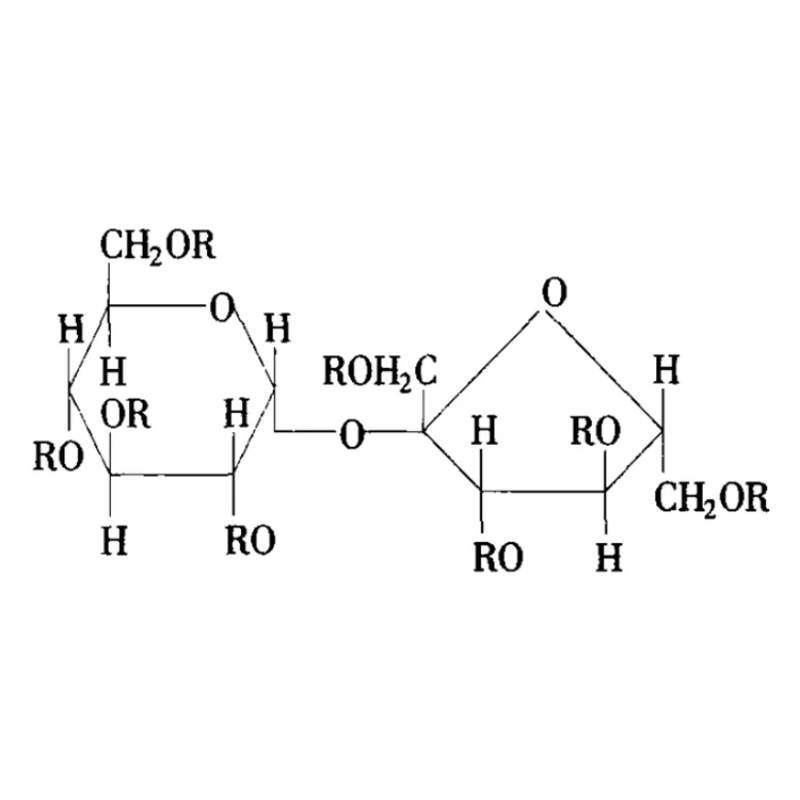
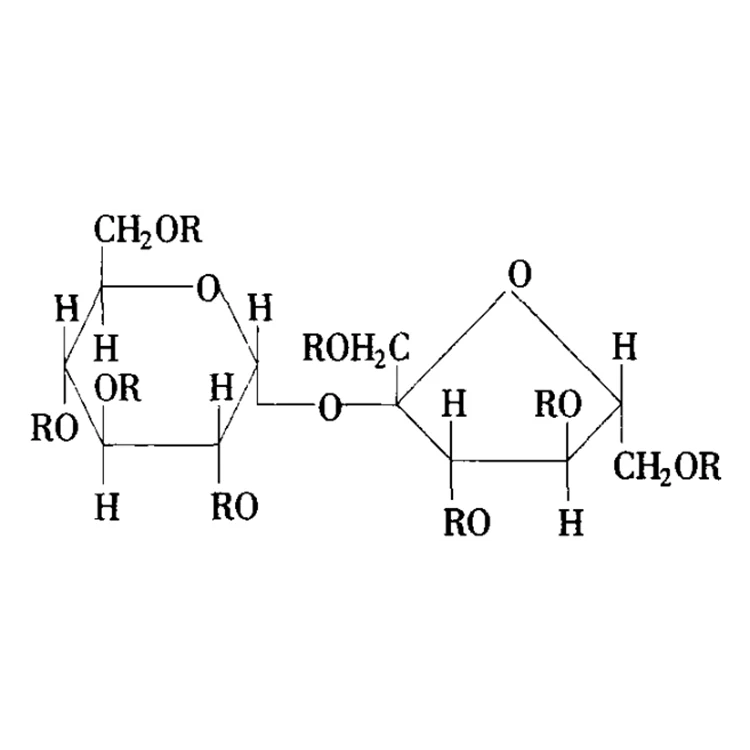
Sucrose Octasulfate–Aluminum Complex is the hydrous basic aluminum salt of sucrose octasulfate. Its molecular formula is expressed as Al₈(OH)₁₆(C₁₂H₁₄O₃₅S₈)[Al(OH)₃]ₓ[H₂O]ᵧ, where x = 8 to 10 and y = 22 to 31. This unique compound is widely used as a gastroprotective agent. It binds to positively charged proteins at ulcer sites, forming a physical barrier that protects against acid, pepsin, and bile salts.


Because of its clinical importance, the quality of Sucrose Octasulfate–Aluminum Complex must be rigorously controlled. USP 2025 and BP 2025 provide the benchmark for that control.


Core Quality Parameters in USP 2025


The USP 2025 monograph for Sucrose Octasulfate–Aluminum Complex establishes several mandatory tests. The table below summarizes the most important specifications.

Quality Parameter USP 2025 Requirement Method
Sucrose Octasulfate Assay 30.0% – 38.0% (anhydrous basis) HPLC with USP Potassium Sucrose Octasulfate RS
Acid-Neutralizing Capacity Not less than 12 mEq/g Titration with 0.1N HCl, 37°C, 1 hour
Identification (Sucrose Octasulfate) Retention time matches reference standard HPLC
Identification (Aluminum) Positive test according to USP ⟨191⟩ Chemical test
Identification (Reducing sugars) Red precipitate of cuprous oxide Alkaline cupric tartrate test
Chloride ≤ 0.1% Turbidimetric comparison
Clarity and Color of Solution Clear, practically colorless Visual inspection in 2N sulfuric acid
Sucrose Heptasulfate Impurity Peak area ratio ≤ 0.1 relative to main peak HPLC


These specifications are not arbitrary. They directly relate to the safety and performance of the final drug product. For example, the acid-neutralizing capacity test ensures that Sucrose Octasulfate–Aluminum Complex will form an effective protective barrier in the stomach.


What BP 2025 Adds?


The BP 2025 monograph for Sucrose Octasulfate–Aluminum Complex is largely aligned with USP 2025, but it includes additional detail on impurity control. Specifically, BP 2025 requires testing for Impurity A using liquid chromatography as described in Chapter 2.2.29.


The sample preparation for Impurity A is precise: dissolve 450.0 mg of the substance in a mixture of equal volumes of 88 g/L sodium hydroxide solution and 196.2 g/L sulfuric acid, then dilute to 10.0 mL with the same mixture. The analysis must be performed without delay to prevent degradation.


BP 2025 also specifies loss on drying, residue on ignition, and heavy metals limits, consistent with general pharmacopoeial requirements for aluminum-containing compounds.


Why the Impurity Limit Matters?


One of the most significant updates in USP 2025 is the explicit acceptance criterion for sucrose heptasulfate. This impurity is a partially sulfated derivative of sucrose. If present in high levels, it may affect the purity and potentially the performance of Sucrose Octasulfate–Aluminum Complex.


The USP requires that the chromatographic peak area of sucrose heptasulfate (relative retention time approximately 0.6) not exceed 0.1 times the peak area of sucrose octasulfate (relative retention time 1.0). In other words, the impurity must be kept below 10% relative to the main component.


Meeting this limit requires careful control of the sulfation reaction and subsequent purification steps. Manufacturers must optimize reaction time, temperature, reagent stoichiometry, and washing processes. Henan Purui Pharmaceutical Co., Ltd. has validated its manufacturing process to consistently achieve impurity levels well below the USP 2025 limit across all 17 production lines.


Stability and Storage Recommendations.


The stability of Sucrose Octasulfate–Aluminum Complex is influenced by temperature, moisture, and container closure. According to available data:


- Storage temperature: Long-term stability is achieved at 2–8°C (refrigerated). Higher temperatures accelerate degradation.

- Container: Must be kept in tight containers as defined by USP ⟨671⟩ to prevent moisture absorption.

- Shelf life: Up to 60 months (5 years) under recommended conditions.


Manufacturers should provide certificates of analysis that include stability data. Henan Purui Pharmaceutical Co., Ltd. maintains stability chambers to continuously monitor product quality over the entire shelf life, ensuring that every batch of Sucrose Octasulfate–Aluminum Complex meets pharmacopoeial specifications until the expiration date.


Practical Implications for Pharmaceutical Developers.


For companies developing finished dosage forms containing Sucrose Octasulfate–Aluminum Complex, the updated pharmacopoeial standards have direct implications:


1. Supplier qualification: Formulators should request certificates of analysis (CoAs) that show compliance with both USP 2025 and BP 2025, including the sucrose heptasulfate impurity result.

2. Stability testing: The stability profile of the API affects the shelf life of the final product. Ensure your supplier provides real-time stability data under refrigerated conditions.

3. Regulatory submissions: When filing or updating drug master files (DMFs) or marketing authorization applications, reference the latest pharmacopoeial editions.


Choosing the right partner is important. Henan Purui Pharmaceutical Co., Ltd. has more than 20 years of experience in manufacturing Sucrose Octasulfate–Aluminum Complex and other high-quality APIs. The company operates a full quality management system and has passed multiple regulatory inspections.


Frequently Asked Questions (FAQ)


Q1: What is the single most important change in USP 2025 for Sucrose Octasulfate–Aluminum Complex?


A: The most important change is the reinforced specification for sucrose heptasulfate impurity. USP 2025 explicitly requires that the peak area of sucrose heptasulfate not exceed 10% of the sucrose octasulfate peak (ratio ≤ 0.1). This change ensures higher purity and batch-to-batch consistency. Manufacturers must now demonstrate control over this impurity through validated analytical methods and optimized production processes.


Q2: Can I use the same test method to comply with both USP 2025 and BP 2025?


A: Mostly yes, but with one key difference. Both pharmacopoeias use HPLC for assay and impurity testing. However, BP 2025 has a specific test for Impurity A that requires a unique sample preparation (sodium hydroxide and sulfuric acid mixture) and immediate analysis. USP 2025 does not have a separate Impurity A test; instead, it controls sucrose heptasulfate and other related substances through the main chromatographic method. Therefore, if you need to comply with BP 2025, you must implement the Impurity A test as described in Chapter 2.2.29. Many global manufacturers, including Henan Purui Pharmaceutical Co., Ltd. , maintain dual compliance by running both USP and BP methods.


Q3: What documentation should I request from a manufacturer to verify USP 2025 compliance?


A: You should request the following documents:

- Certificate of Analysis (CoA): Shows results for assay (30.0–38.0%), acid-neutralizing capacity (≥12 mEq/g), sucrose heptasulfate impurity (ratio ≤0.1), chloride (≤0.1%), clarity/color, and identification tests.

- Stability summary: Demonstrates that the API remains within specifications for up to 60 months when stored at 2–8°C in tight containers.

- Reference standard traceability: Confirms that USP Potassium Sucrose Octasulfate RS or equivalent is used for calibration.

- Method validation report (optional but recommended): Shows that the manufacturer’s HPLC method is suitable for detecting sucrose heptasulfate and other impurities.


Reputable manufacturers like Henan Purui Pharmaceutical Co., Ltd. will provide these documents upon request. Always verify that the CoA explicitly references USP 2025 or BP 2025.


Conclusion.


The release of USP 2025 and BP 2025 brings greater clarity and rigor to the quality control of Sucrose Octasulfate–Aluminum Complex. The reinforced impurity limits, especially for sucrose heptasulfate, push the industry toward higher purity standards. For pharmaceutical developers and finished dosage form manufacturers, partnering with a supplier that has already integrated these standards into daily production is a strategic advantage.


Related News
Leave me a message
X
We use cookies to offer you a better browsing experience, analyze site traffic and personalize content. By using this site, you agree to our use of cookies. Privacy Policy
Reject Accept