Follow Us:

News

What Makes Urapidil Hydrochloride an Effective Antihypertensive Option?

2026-05-26 0 Leave me a message

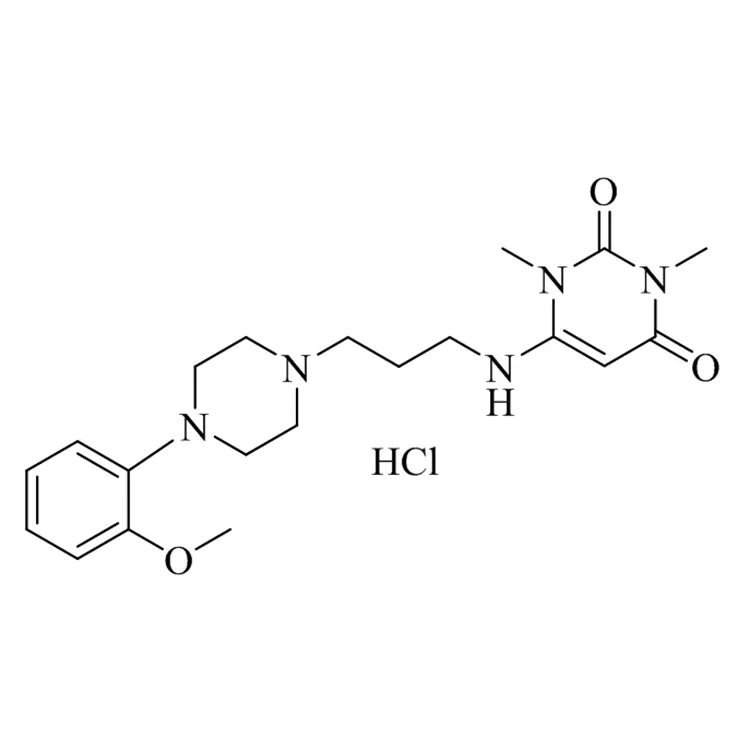
Urapidil Hydrochloride is a widely studied antihypertensive compound used in the management of acute and severe hypertension. Its unique dual mechanism—combining peripheral vasodilation with central blood pressure regulation—makes it a valuable therapeutic option in both emergency and perioperative settings. This article provides a comprehensive exploration of its pharmacology, clinical applications, benefits, safety considerations, and practical use cases. It is designed to help healthcare professionals, distributors, and pharmaceutical stakeholders better understand its role in modern cardiovascular treatment strategies.

Urapidil Hydrochloride

Table of Contents


Article Outline

This article is structured to provide a complete understanding of Urapidil Hydrochloride, starting from its chemical identity and progressing through its pharmacological behavior, clinical usage, safety considerations, and comparative advantages. Each section is designed to address practical questions faced by healthcare professionals and procurement specialists in the pharmaceutical industry.


1. Introduction to Urapidil Hydrochloride

Hypertension remains one of the most critical global health challenges, contributing significantly to cardiovascular disease, stroke, and kidney failure. In acute cases, rapid and controlled blood pressure reduction becomes essential to prevent life-threatening complications. Urapidil Hydrochloride has emerged as a reliable agent in such scenarios due to its fast onset and balanced mechanism of action.

Unlike many traditional antihypertensive drugs, Urapidil Hydrochloride offers a dual approach: it reduces peripheral vascular resistance while simultaneously acting on central serotonin receptors. This combination allows for effective blood pressure control without causing excessive reflex tachycardia, a common issue with other vasodilators.


2. What is Urapidil Hydrochloride?

Urapidil Hydrochloride is a selective alpha-1 adrenergic receptor antagonist with additional agonistic activity at serotonin 5-HT1A receptors in the central nervous system. This unique pharmacological profile differentiates it from conventional antihypertensive agents.

  • Chemical Class: Alpha-1 adrenergic receptor blocker
  • Therapeutic Category: Antihypertensive agent
  • Main Use: Management of severe and resistant hypertension

It is commonly used in hospital settings, particularly in intensive care units and surgical environments where rapid blood pressure stabilization is required.


3. Mechanism of Action

The pharmacological effectiveness of Urapidil Hydrochloride is based on two complementary mechanisms:

  • Peripheral vasodilation through selective alpha-1 receptor blockade
  • Central modulation via stimulation of serotonin 5-HT1A receptors

By blocking alpha-1 receptors, the drug relaxes vascular smooth muscle, leading to reduced systemic vascular resistance. At the same time, its central action prevents excessive sympathetic reflex activity, ensuring a smoother and more controlled reduction in blood pressure.

Mechanism Effect Clinical Outcome
Alpha-1 receptor blockade Vasodilation Lower blood pressure
5-HT1A receptor activation Reduced sympathetic outflow Stable cardiovascular response

4. Clinical Applications

Urapidil Hydrochloride is primarily used in hospital-based care settings. Its applications include:

  • Hypertensive emergencies requiring immediate intervention
  • Perioperative blood pressure control
  • Postoperative hypertension management
  • Severe or resistant hypertension cases

In emergency medicine, its rapid onset of action makes it particularly useful when time-sensitive blood pressure control is essential.


5. Key Benefits

The clinical advantages of Urapidil Hydrochloride are widely recognized among healthcare professionals. These benefits include:

  • Rapid onset of antihypertensive action
  • Reduced risk of reflex tachycardia
  • Improved hemodynamic stability
  • Flexible administration routes in hospital settings
  • Predictable therapeutic response

Its balanced mechanism makes it particularly suitable for patients who may not tolerate abrupt hemodynamic changes.


6. Safety Profile and Side Effects

Urapidil Hydrochloride is generally well tolerated when used under medical supervision. However, like all pharmacological agents, it may present certain adverse effects.

  • Dizziness or lightheadedness
  • Headache
  • Nausea
  • Fatigue
  • Rare cases of hypotension

Careful monitoring is recommended during administration, especially in patients with cardiovascular instability or those receiving multiple antihypertensive therapies.


7. Pharmacokinetics and Metabolism

Understanding the pharmacokinetic profile of Urapidil Hydrochloride is essential for optimizing its clinical use. The drug is rapidly absorbed and distributed, with a relatively short half-life that allows for flexible dose adjustments in acute care environments.

It is primarily metabolized in the liver and excreted via renal pathways. This makes hepatic and renal function important considerations when administering the drug to patients with organ impairment.


8. Forms of Administration and Practical Use

In clinical practice, Urapidil Hydrochloride is often administered via intravenous infusion in hospital settings. This allows for precise titration and immediate blood pressure control.

  • Intravenous infusion for emergency hypertension
  • Controlled hospital-based administration
  • Continuous monitoring during treatment

Healthcare professionals adjust dosing based on real-time blood pressure measurements, ensuring patient safety and therapeutic effectiveness.


9. Comparison with Other Antihypertensive Agents

Drug Mechanism Onset Speed Reflex Tachycardia Risk
Urapidil Hydrochloride Alpha-1 blockade + central action Fast Low
Nitroprusside Direct vasodilation Very fast Moderate
Labetalol Alpha + beta blockade Fast Low to moderate

Compared to many traditional agents, Urapidil Hydrochloride offers a more balanced hemodynamic profile, reducing the risk of compensatory cardiovascular reactions.


10. Clinical Considerations

When using Urapidil Hydrochloride, clinicians must consider several important factors:

  • Continuous blood pressure monitoring is essential
  • Patient history of cardiovascular disease should be evaluated
  • Renal and hepatic function should be assessed
  • Combination therapy requires careful adjustment

These considerations help ensure optimal therapeutic outcomes while minimizing potential risks.


11. Future Perspectives

As cardiovascular medicine continues to evolve, Urapidil Hydrochloride remains an important agent in acute hypertension management. Ongoing research is exploring its broader applications, improved delivery systems, and combination therapies.

With increasing demand for safer and more predictable antihypertensive treatments, its role in hospital pharmacology is expected to remain significant.


12. Frequently Asked Questions

Q1: What is Urapidil Hydrochloride mainly used for?
It is primarily used for managing hypertensive emergencies and severe blood pressure elevations in hospital settings.

Q2: Does it cause rapid heart rate like other vasodilators?
No, it has a lower risk of reflex tachycardia due to its central nervous system action.

Q3: Can it be used long-term?
It is mainly used in acute care settings rather than long-term outpatient management.

Q4: What makes it different from other antihypertensive drugs?
Its dual mechanism—peripheral vasodilation and central sympathetic modulation—makes it unique.

Q5: Is monitoring required during administration?
Yes, continuous monitoring of blood pressure and cardiovascular status is essential.


13. Conclusion & Contact Information

Urapidil Hydrochloride stands out as a reliable and clinically valuable antihypertensive agent, especially in acute and hospital-based care environments. Its dual mechanism, predictable response, and favorable safety profile make it a preferred choice for managing severe hypertension.

For pharmaceutical procurement, bulk supply, or technical cooperation, high-quality raw material sourcing is essential to ensure consistent therapeutic performance.

Henan Purui Pharmaceutical Co., Ltd. is committed to providing high-standard pharmaceutical raw materials and professional support for global partners in the healthcare industry. If you are interested in learning more about Urapidil Hydrochloride supply solutions, contact us today to explore cooperation opportunities and customized product support.

Related News
Leave me a message
X
We use cookies to offer you a better browsing experience, analyze site traffic and personalize content. By using this site, you agree to our use of cookies. Privacy Policy
Reject Accept