
Abstract
Vestibular disorders affect millions of people worldwide, yet the pharmacological options available for managing their most disruptive symptoms remain surprisingly limited. Among the compounds that have earned a lasting place in clinical practice, Betahistine Hydrochloride stands out as a widely prescribed histamine analogue with a dual mechanism of action targeting both peripheral and central vestibular pathways. This article examines the pharmacology, clinical applications, dosing strategies, safety profile, and regulatory landscape surrounding this compound, offering healthcare professionals, researchers, and patients a comprehensive reference for understanding its therapeutic value.
Table of Contents
The Pharmacology Behind Betahistine Hydrochloride
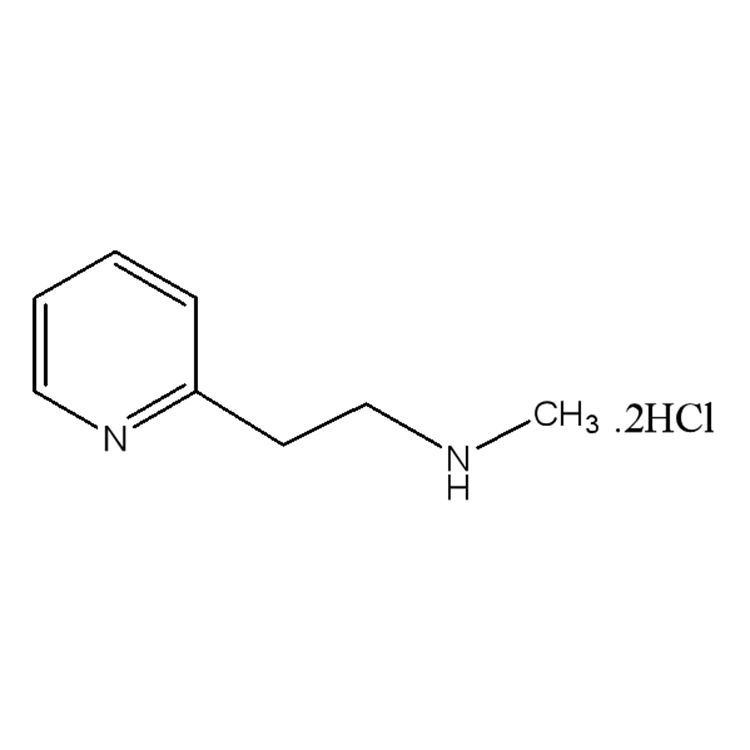
Understanding why Betahistine Hydrochloride remains a cornerstone in vestibular medicine requires a closer look at its molecular behavior. The compound is a structural analog of histamine, meaning it shares a similar chemical architecture with the body’s own signaling molecule. However, its pharmacological profile is far more nuanced than a simple imitation.
Receptor Activity
H1 Agonism Betahistine acts as a weak partial agonist at postsynaptic histamine H1 receptors, producing mild vasodilation in cerebral and inner ear vasculature without triggering the intense responses associated with full histamine activity.
H3 Antagonism The compound functions as a potent antagonist at presynaptic histamine H3 receptors. This action increases histamine turnover and release in the tuberomammillary nuclei of the posterior hypothalamus, which in turn elevates histamine levels in the vestibular nuclei.
No H2 Activity Unlike histamine itself, betahistine shows no meaningful interaction with postsynaptic H2 receptors, which helps explain its favorable side effect profile compared to non-selective histaminergic agents.
The combined effect of H1 agonism and H3 antagonism is a two-pronged therapeutic strategy. Peripherally, the drug improves labyrinthine microcirculation by dilating arterioles in the stria vascularis and the posterior semicircular canal ampulla. This vasodilation reduces endolymphatic pressure through a dual mechanism: decreased production of endolymph and enhanced re-absorption. Centrally, the increased histamine release in the vestibular nuclei facilitates neural rebalancing after unilateral vestibular loss, promoting central vestibular compensation. This central component is particularly important because it addresses the brain’s ability to adapt to asymmetric vestibular input, a process that underlies long-term symptom relief.
Two metabolites of betahistine—aminoethylpyridine and hydroxyethylpyridine—appear to mediate much of the H3 receptor activity. Experimental studies in animal models have consistently demonstrated improvements in labyrinthine microcirculation and reduced sensory input from vestibular receptors following betahistine administration. The compound also participates in the histaminergic modulation of glycine and gamma-aminobutyric acid release within the vestibular nuclei, contributing to neural rebalancing after vestibular injury.
Clinical Applications in Vestibular Medicine
The clinical utility of Betahistine Hydrochloride spans several vestibular conditions, though its strongest evidence base is in Ménière’s disease and peripheral vestibular vertigo.
Ménière’s Disease
Ménière’s disease is characterized by recurrent episodes of vertigo, tinnitus, hearing loss, and a sensation of ear fullness. The condition affects between 3.5 and 513 individuals per 100,000, depending on the population studied. Betahistine is indicated for reducing the frequency and severity of these episodes by lowering endolymphatic pressure and improving inner ear blood flow. A 2024 evidence-based review published in the Egyptian Journal of Otolaryngology analyzed 12 articles and found that despite contradictory results across studies, three of the analyzed articles showed a positive effect of betahistine, aligning with recommendations from the European Academy of Otology and Neurotology and NICE guidelines. The American Academy of Otorhinolaryngology guidelines take a more cautious stance, suggesting betahistine as maintenance therapy rather than first-line acute treatment.
Peripheral Vestibular Vertigo
Peripheral vestibular vertigo arises from dysfunction in the labyrinth or vestibular nerve. The most common cause is benign paroxysmal positional vertigo, which is typically managed with repositioning maneuvers. However, three of five studies analyzed in the 2024 review indicated that adding betahistine to repositioning protocols produced additional benefit. For vertigo from other peripheral causes, two out of three articles revealed a positive recommendation for betahistine use. These findings support a potential role for the compound as an adjunctive therapy across multiple etiologies of peripheral vertigo.
Vestibular Neuritis
Vestibular neuritis, often attributed to viral inflammation of the vestibular nerve, produces acute, severe vertigo that can persist for days to weeks. Clinical pathways recommend betahistine at 16 mg three times daily for symptomatic relief, with treatment potentially extending up to three months. The rationale here is that betahistine’s central effects on histamine release in the vestibular nuclei may accelerate the brain’s compensatory adaptations, reducing the duration and intensity of symptoms.
Dosage Strategies and Administration Protocols
Optimal dosing of Betahistine Hydrochloride requires individualization based on patient response and clinical presentation. The table below summarizes the standard dosing recommendations derived from product monographs and clinical guidelines.
| Patient Population | Initial Dose | Maintenance Dose | Maximum Daily Dose | Administration Notes |
|---|---|---|---|---|
| Adults (general) | 16 mg three times daily | 24–48 mg daily, divided into two or three doses | 48 mg | Swallow with water, preferably with or after meals |
| Adults (alternative initiation) | 24 mg once daily | 24 mg twice daily if needed | 48 mg | Dose may be increased based on response |
| Children and adolescents (under 18) | Not recommended | Not recommended | Not applicable | Safety and efficacy data are insufficient |
| Renal or hepatic impairment | Standard adult dose | No specific adjustment required | 48 mg | Caution recommended; clinical trials limited |
| Elderly patients | Standard adult dose | No specific adjustment required | 48 mg | Extensive post-marketing experience supports safety |
Improvement with betahistine may not become apparent for several weeks after initiating treatment. Patients should be counseled that consistent, daily use is essential for achieving the full therapeutic effect, particularly for the central vestibular compensation component, which relies on sustained histamine elevation in the vestibular nuclei. Taking the medication at approximately the same time each day helps maintain steady plasma concentrations.
Safety Profile, Side Effects, and Drug Interactions
Betahistine is generally well tolerated, with relatively few side effects reported in clinical experience. Most adverse reactions are mild and transient, affecting the gastrointestinal tract, skin, or nervous system.
Common Side Effects
- Nausea and mild gastric complaints, including vomiting and abdominal distension
- Headache, which is the most commonly reported nervous system effect
- Occasional drowsiness or somnolence
- Stomach discomfort or indigestion, which can be mitigated by taking the medication with food
Uncommon to Rare Effects
- Palpitations or rapid heartbeat
- Bronchospasms, particularly in patients with pre-existing bronchial asthma
- Hypersensitivity reactions, including skin rash or itching
- Very rare neurological effects such as convulsions, confusion, and hallucinations
Contraindications and Precautions
Betahistine is contraindicated in patients with phaeochromocytoma, an adrenal gland tumor that can release catecholamines in response to histamine analogs, potentially causing severe hypertension. Patients with a history of peptic ulcer disease should be treated with caution, as dyspepsia may occur during therapy. Asthmatic patients require careful monitoring because clinical intolerance to betahistine has been observed in a small number of individuals with bronchial asthma. The drug is not recommended for use in children and adolescents under 18 years of age due to insufficient safety and efficacy data.
Drug Interactions
The most clinically relevant interactions involve antihistamines and monoamine oxidase inhibitors. Because betahistine is a histamine analog, concurrent use with antihistamines may theoretically reduce the effectiveness of both drugs. MAO inhibitors, including MAO-B selective agents, should be used with caution alongside betahistine because they may increase betahistine availability in the bloodstream, potentially requiring dose adjustments. A case report has documented an interaction between betahistine and a compound containing pyrimethamine and dapsone, as well as another report of betahistine potentiation by salbutamol. However, no proven cases of hazardous interactions have been established in controlled studies.
Regulatory Status: A Global Perspective
The regulatory history of Betahistine Hydrochloride reflects the evolving understanding of vestibular pharmacology and the challenges of demonstrating efficacy in this therapeutic area. The compound was initially approved by the U.S. Food and Drug Administration in the 1960s and 1970s but was withdrawn within approximately five years due to insufficient evidence supporting its efficacy in Ménière’s disease. Since that withdrawal, betahistine has not been approved for use in the United States.
In contrast, the compound is approved in approximately 115 countries worldwide, including the United Kingdom and most European nations, for the treatment of Ménière’s disease and vestibular vertigo. This regulatory divergence highlights the ongoing debate about the strength of evidence required for approval in different jurisdictions and the difficulty of conducting rigorous clinical trials in vestibular disorders, where placebo responses are notoriously high and outcome measures vary widely across studies.
The classification of betahistine as an antivertigo and vasodilator agent underscores its dual therapeutic identity. It occupies a unique pharmacological space, neither purely an antihistamine nor a conventional vasodilator, but rather a neurotransmitter modulator with targeted effects on the histaminergic system.
Frequently Asked Questions
-
How long does Betahistine Hydrochloride take to work?
Clinical improvement is typically not observed immediately. Most patients begin to notice a reduction in the frequency and severity of vertigo episodes after several weeks of consistent daily use. This delay reflects the time required for the drug to achieve sustained histamine elevation in the vestibular nuclei and for central vestibular compensation to develop.
-
Can Betahistine Hydrochloride be taken with food?
Yes. Taking betahistine tablets with or immediately after a meal is recommended to reduce the likelihood of gastrointestinal side effects such as nausea or stomach discomfort. Swallowing the tablet with a full glass of water further aids absorption and minimizes irritation.
-
Is Betahistine Hydrochloride safe for long-term use?
Betahistine has been used in clinical practice for decades, and post-marketing surveillance data indicate that it is generally well tolerated during extended treatment periods. However, long-term use should be supervised by a healthcare professional, particularly in patients with asthma, peptic ulcer history, or those taking MAO inhibitors.
-
What is the difference between Betahistine Hydrochloride and Betahistine Dihydrochloride?
Betahistine Hydrochloride and Betahistine Dihydrochloride are different salt forms of the same active moiety, betahistine. The choice between salt forms typically depends on manufacturing considerations, solubility characteristics, and regulatory preferences in different markets. Both forms deliver the same active compound to the body.
-
Can Betahistine Hydrochloride be used for dizziness unrelated to Ménière’s disease?
Clinical evidence suggests potential benefit for various etiologies of peripheral vertigo, including vestibular neuritis and, as an adjunct to repositioning maneuvers, benign paroxysmal positional vertigo. However, the strongest evidence remains in Ménière’s disease, and use for other conditions should be guided by clinical judgment and patient-specific factors.
-
What should I do if I miss a dose of Betahistine Hydrochloride?
If a dose is missed, it should be taken as soon as remembered, unless it is almost time for the next scheduled dose. In that case, the missed dose should be skipped, and the regular dosing schedule resumed. Doubling doses to compensate for a missed one is not recommended.
Looking for a Reliable Partner for Betahistine Hydrochloride Supply?
Purui is a trusted manufacturer and supplier of high-quality pharmaceutical ingredients, serving healthcare organizations worldwide with consistency, compliance, and competitive lead times.
Contact us today to discuss your requirements and receive a detailed response within 24 hours. Our team is ready to support your procurement needs with tailored solutions.
Contact Us