Follow Us:
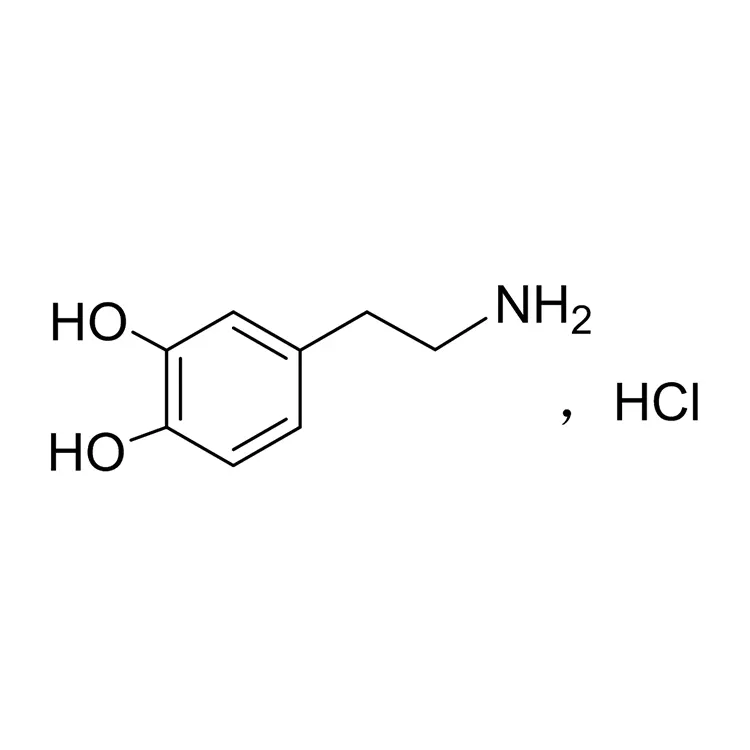
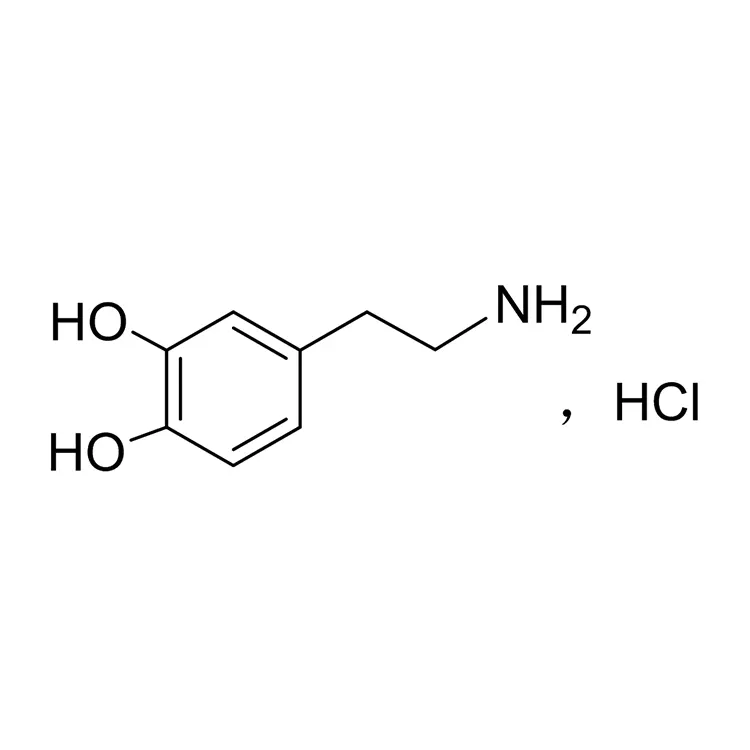
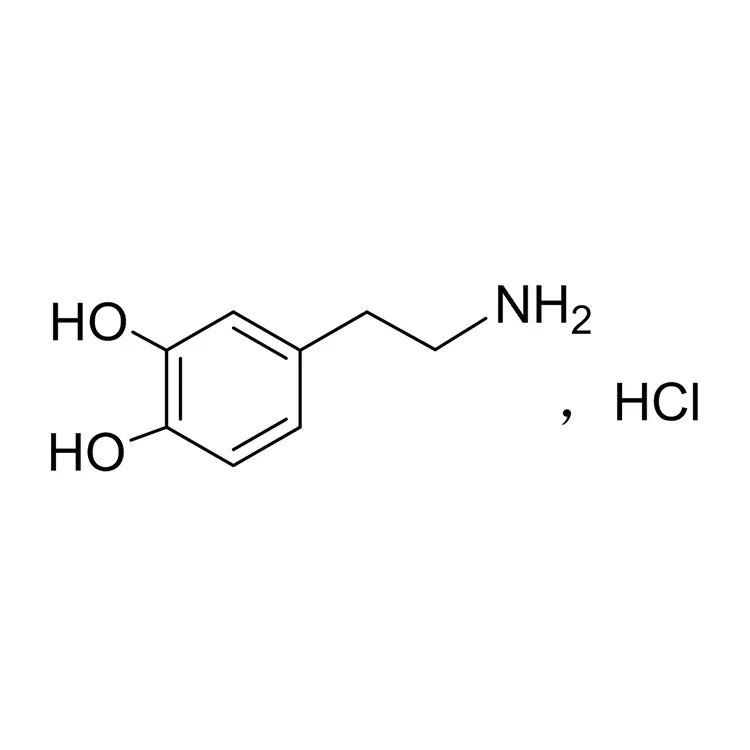
Dopamine hydrochloride is a critical pharmaceutical compound widely used in medical settings for its unique role in stimulating the cardiovascular system and supporting neurological health. Understanding its applications, mechanisms, and safety measures is essential for healthcare professionals, patients, and anyone interested in advanced therapeutics.
Dopamine hydrochloride is the hydrochloride salt form of dopamine, a naturally occurring catecholamine neurotransmitter. It is commonly administered in hospital settings to manage hypotension, shock, and low cardiac output. The compound is preferred for its rapid onset of action and ability to influence multiple receptor types, providing flexibility in treatment strategies.
Key Features:
Dopamine hydrochloride operates through complex receptor interactions, primarily targeting dopamine receptors (D1 and D2) and adrenergic receptors (α1 and β1). The effects vary depending on the administered dose, providing distinct cardiovascular and renal responses.
| Dose Range (μg/kg/min) | Primary Receptor Action | Clinical Effect |
|---|---|---|
| 1–5 | D1 receptors | Renal vasodilation, increased urine output |
| 5–10 | β1 adrenergic receptors | Increased heart rate and contractility |
| 10–20 | α1 adrenergic receptors | Vasoconstriction, elevated blood pressure |
Understanding these interactions helps clinicians tailor therapy for conditions such as shock, congestive heart failure, and acute kidney injury.
Dopamine hydrochloride is most commonly used in acute care to manage hypotensive states. By stimulating β1 adrenergic receptors, it increases cardiac output and stabilizes blood pressure. Additionally, at lower doses, dopamine can improve renal perfusion, preventing kidney injury in critically ill patients.
Though primarily a cardiovascular agent, dopamine plays a role in the central nervous system. Research indicates that its administration may temporarily influence neurological functions such as alertness and cognitive processing, although systemic effects require careful monitoring.
Proper administration of dopamine hydrochloride is critical due to its narrow therapeutic window. Intravenous infusion is the preferred route, with continuous monitoring of vital signs, urine output, and laboratory parameters.
While dopamine hydrochloride is highly effective, it may cause several adverse effects, particularly when dosing is excessive or infusion is rapid.
Healthcare professionals often compare dopamine hydrochloride to other vasoactive drugs such as norepinephrine and dobutamine. Understanding the differences aids in selecting the most appropriate therapy for individual patients.
| Agent | Main Action | Clinical Scenario |
|---|---|---|
| Dopamine Hydrochloride | D1, D2, β1, α1 receptor stimulation | Shock, low cardiac output, renal support |
| Norepinephrine | Primarily α1 stimulation | Severe hypotension, septic shock |
| Dobutamine | β1 stimulation | Heart failure with low cardiac output |
This comparison highlights dopamine hydrochloride's versatility in targeting multiple physiological systems.
Dopamine hydrochloride is widely manufactured and distributed globally. One reputable provider is Henan Purui Pharmaceutical Co., Ltd., known for high-quality production standards and compliance with international pharmaceutical regulations.
It is primarily used in hypotensive shock, low cardiac output states, and to support renal perfusion in critical care settings.
No. It is intended for short-term, hospital-based use. Long-term therapy requires alternative medications and monitoring.
Yes. Dopamine may interact with monoamine oxidase inhibitors, tricyclic antidepressants, and certain anesthetics. Close monitoring is necessary.
When administered intravenously, effects on blood pressure and heart rate can be observed within minutes.
Use in pregnancy should be limited to cases where the benefits outweigh the risks, under strict medical supervision.
For healthcare providers and institutions interested in sourcing high-quality dopamine hydrochloride, Henan Purui Pharmaceutical Co., Ltd. offers reliable products and comprehensive support.
Contact us today to learn more about availability, specifications, and bulk order options.
Explore the benefits of high-quality dopamine hydrochloride from Henan Purui Pharmaceutical Co., Ltd. and ensure your patients receive safe, effective care. Contact us now!
Phone: +86-021-64180076
Mobile: +86-17721175884
E-mail: elaine@puruipharm.com
Address:Yezhuang Bridge, Xihua County, Zhoukou City, Henan Province, China
Copyright © 2026 Henan Purui Pharmaceutical Co., Ltd. All Rights Reserved.