Follow Us:

News

Why Are Pharmaceutical Intermediates Essential to Pharmaceutical Supply Chain Stability?

2026-11-17 0 Leave me a message

Pharmaceutical manufacturing depends on more than the availability of active pharmaceutical ingredients. Between raw materials and finished drug substances, pharmaceutical intermediates play a critical role in determining whether production can continue consistently, whether batches meet established quality requirements and whether manufacturers can respond to changes in demand. When an intermediate is delayed, fails specification or comes from an inadequately controlled source, the disruption can affect several downstream manufacturing stages. Reliable intermediate supply is therefore an important part of pharmaceutical supply chain stability, particularly for manufacturers producing anticholinergic medicines and emergency-care APIs.


For pharmaceutical companies, procurement decisions should consider more than unit price and delivery time. Chemical identity, purity profile, impurity control, batch-to-batch consistency, manufacturing traceability, storage conditions and supplier change management all influence the suitability of an intermediate. Henan Purui Pharmaceutical Co., Ltd. focuses on anticholinergic and emergency-care pharmaceutical materials, supported by an integrated API, intermediate and formulation production layout. Understanding how these materials contribute to manufacturing continuity helps procurement teams, API manufacturers and pharmaceutical sourcing specialists build a more dependable supply strategy.

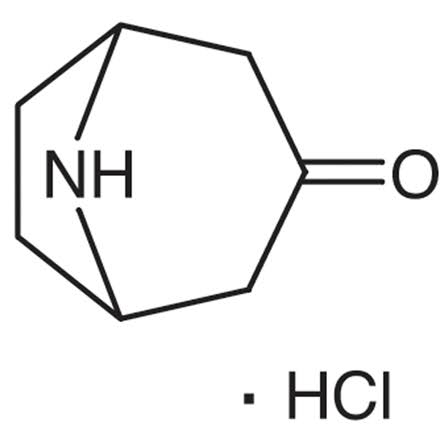
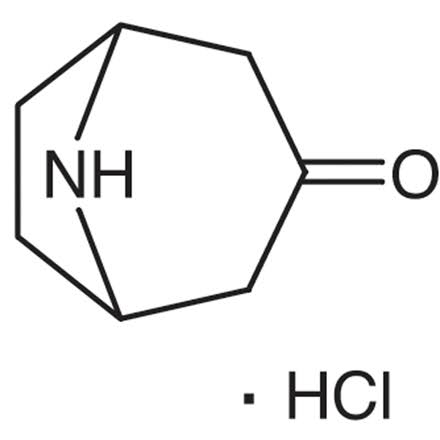
Nortropinone Hydrochloride CAS 25602-68-0


Table of Contents

1. How Do Pharmaceutical Intermediates Influence Manufacturing Continuity?

2. Why Are Quality Control and Supplier Management Critical to Supply Stability?

3. How Can Buyers Evaluate Pharmaceutical Intermediates for Long-Term Supply Reliability?

4. Conclusion

5. Frequently Asked Questions


How Do Pharmaceutical Intermediates Influence Manufacturing Continuity?

Pharmaceutical manufacturing is a sequence of connected chemical and production operations. An active pharmaceutical ingredient rarely appears through a single isolated reaction. Depending on the synthesis route, manufacturers may need several starting materials, reaction steps, intermediate compounds, purification operations and final processing stages before obtaining an API that meets its established specification. Each stage depends on the availability and suitability of the material entering it. A disruption at an intermediate stage can therefore affect the output of the entire production process.

Why Does Intermediate Availability Matter Beyond Procurement?

An intermediate is not simply another item on a purchasing list. It is a defined chemical material used at a particular point in a manufacturing route. Its identity, structure and quality characteristics influence the reactions and purification steps that follow. If a required material is unavailable, the manufacturer may not be able to proceed with the next operation, even when other raw materials, production equipment and personnel are ready.

Consider an API manufacturer operating a scheduled production campaign. The production plan may include:

  • Receiving and testing starting materials and process chemicals.
  • Preparing the reaction equipment and confirming its cleaning status.
  • Charging the specified intermediate into the relevant manufacturing step.
  • Controlling reaction conditions and monitoring in-process results.
  • Isolating, purifying and drying the resulting material.
  • Completing laboratory testing and quality review before the next production stage.

If the required intermediate arrives late, the manufacturer may need to reschedule equipment, adjust production shifts or postpone the next batch. In a multi-stage synthesis route, the impact can extend beyond one production order. Other materials may have already been purchased, equipment capacity may have been reserved and downstream operations may have been planned around the expected completion date.

This is why our procurement planning considers material availability alongside manufacturing schedules, lead times and the consequences of a delayed batch. A dependable supply arrangement helps manufacturers avoid unnecessary interruptions and makes production planning more predictable.

How Can Material Consistency Affect Downstream Production?

Availability alone does not guarantee a stable supply. An intermediate must also be consistent enough for the receiving manufacturer to use it within the established process and specification. Differences in chemical identity, assay, moisture, residual solvents, related substances or physical properties may affect reaction performance, isolation behaviour and purification requirements. The relevant quality attributes depend on the material and its intended use.

For example, a change in impurity profile may create additional analytical work or require investigation before the material can be accepted. A variation in moisture content may affect a moisture-sensitive reaction or change the amount of material required for a defined process charge. Differences in particle characteristics can also influence handling, dissolution or material transfer where these properties are relevant to the manufacturing route.

These issues do not necessarily mean that every variation will cause a failed batch. Their significance depends on the process, the material specification and the manufacturer's validated or otherwise appropriately controlled operating conditions. However, unexplained variation makes production less predictable and can increase the time needed for investigation and disposition.

Pharmaceutical Intermediates should therefore be assessed as process inputs with defined quality requirements, not as interchangeable commodity chemicals. A reliable supplier should be able to provide an agreed specification, representative analytical documentation and traceable batch information. Receiving manufacturers can then compare incoming results with their approved acceptance criteria before releasing the material for use.

Which Types of Intermediates Support Purui's Core Product Areas?

Henan Purui Pharmaceutical Co., Ltd. identifies anticholinergic and emergency-care materials as important areas of its pharmaceutical business. Its published intermediate portfolio includes representative compounds such as Tropine, Tropinone, Tropic Acid and Nortropinone Hydrochloride. These materials are associated with different synthesis routes and should be evaluated according to their specific chemical role rather than grouped under one generic quality profile.

For example, Tropine and Tropinone are representative tropane-related compounds, while Tropic Acid is identified by the company as a product used in its anticholinergic intermediate category. Nortropinone Hydrochloride is described as an N-demethylated tropane bicyclic intermediate used in the synthesis of anticholinergic and central nervous system drugs. The actual suitability of each material depends on the customer's process, specification and regulatory requirements.

The following examples show how product identification supports more precise procurement communication.

Representative Product Published Identification Application or Product Context Procurement Information to Confirm
Tropic Acid CAS No. 529-64-6 Anticholinergic pharmaceutical intermediate category Assay, impurity profile, residual solvents, specification and batch documentation
Tropine CAS number not stated on the reviewed category page Representative tropane-related intermediate Exact chemical identity, specification, analytical method and intended synthesis route
Tropinone CAS number not stated on the reviewed category page Representative tropane-related intermediate Identity, assay, related substances, storage conditions and retest information
Nortropinone Hydrochloride CAS No. 25602-68-0 Intermediate for anticholinergic and central nervous system drug synthesis Salt form, assay basis, impurity limits, packaging and batch release documents
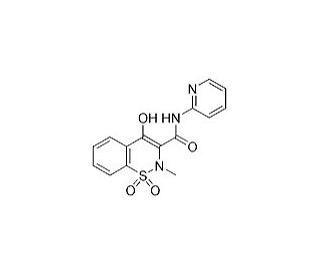
Methyl 4-hydroxy-2-methyl-1,3-benzothiazine-3-carboxylate related listing CAS No. 35511-15-0 Listed as a benzothiazine ring intermediate associated with piroxicam and meloxicam API synthesis Exact product name, chemical structure, grade, specification and intended application

The product names and identifiers above are useful starting points for technical enquiries, but they are not complete release specifications. Buyers should request the current product specification and certificate of analysis for the exact material and batch under consideration. Our technical review process places emphasis on matching the requested chemical identity and quality attributes to the customer's actual manufacturing requirements.

How Does an Integrated Production Structure Help Reduce Supply Risks?

When a manufacturer works across intermediates, APIs and finished formulations, it can gain a broader understanding of how upstream material quality affects downstream manufacturing. An integrated structure can support closer coordination between process development, production planning, analytical testing and material management. It may also help identify process issues earlier because the teams responsible for different stages can communicate within a connected production system.

Purui describes its business as an integrated API, intermediate and formulation operation. Its published company information states that it was established in 2004 and operates a manufacturing facility of approximately 120,000 square metres, with production workshops, research and development facilities and supporting infrastructure. These company-level details provide context for its manufacturing structure, but buyers should still assess the exact production site, product scope and quality documents relevant to each order.

Our integrated production planning is intended to connect material requirements with the needs of subsequent manufacturing stages. For customers, the practical value is not simply the presence of several production categories under one company. It is the ability to discuss technical requirements, product identity and quality expectations with a supplier that understands the relationship between intermediate manufacture and API production.

Supply continuity ultimately depends on more than facility size. It requires qualified materials, controlled processes, sufficient production planning, appropriate inventory management and reliable communication. When these elements are considered together, manufacturers are better positioned to manage routine demand and respond to unexpected changes in supply conditions.


Why Are Quality Control and Supplier Management Critical to Supply Stability?

A pharmaceutical supply chain is only as dependable as the quality controls applied to the materials moving through it. A shipment can arrive on time and still create a production delay if its identity is uncertain, its analytical results do not meet the agreed specification or its documentation is incomplete. For this reason, quality assurance and supplier management are central to supply stability. They help manufacturers distinguish a genuinely usable batch from material that requires further testing, investigation or rejection.

What Quality Attributes Should Be Controlled?

The quality profile of an intermediate depends on its chemistry and intended manufacturing role. There is no single universal specification that can be applied to every compound. A material used early in a synthesis route may have a different risk profile from one introduced close to the final API stages. The specification should be scientifically justified and aligned with the manufacturing process, downstream controls and applicable regulatory expectations.

Depending on the compound, relevant quality attributes may include:

  • Identity: Evidence that the supplied material is the correct chemical substance and, where relevant, the correct salt, hydrate, isomeric or solid-state form.
  • Assay or content: The measured amount of the specified compound, reported using the agreed method and calculation basis.
  • Related substances: Known and unknown impurities that may arise from the synthesis route, degradation or inadequate purification.
  • Residual solvents: Solvent residues remaining from manufacturing or purification, assessed against suitable limits.
  • Water content: A relevant attribute where moisture can influence stability, weighing, handling or downstream reactions.
  • Physical properties: Characteristics such as appearance, form or particle properties where they affect handling or process performance.
  • Microbiological quality: A consideration where the intended application, process or material risk assessment makes it relevant.

Not every test is necessary for every intermediate. The appropriate test panel should reflect the material's chemical characteristics, manufacturing stage, process knowledge and risk assessment. A supplier should not present an extensive list of tests as proof of quality if those tests are unrelated to the actual risks of the compound.

Our quality assessment approach focuses on material-specific requirements and documented acceptance criteria. This helps purchasing and technical teams evaluate whether a batch is suitable for its intended use rather than relying on a general statement that a product is high purity.

How Do GMP Controls Support Consistent Intermediate Supply?

Good Manufacturing Practice provides a framework for controlling manufacturing operations, documentation, materials, equipment and quality decisions. For API manufacturing, ICH Q7 is an important reference because it addresses quality management and GMP expectations for active pharmaceutical ingredients and relevant intermediate manufacturing steps. It emphasizes documented procedures, defined responsibilities, appropriate testing and the review of production records.

For supply chain management, several ICH Q7 principles are particularly relevant:

  • Materials should be received, identified, sampled, tested, stored and approved or rejected under written procedures.
  • Critical material suppliers should be evaluated through an appropriate qualification process.
  • Purchases should be made against agreed specifications from approved suppliers.
  • Batch production and laboratory control records should be reviewed as required before release.
  • Deviations and out-of-specification results should be investigated and appropriately documented.
  • Storage and transportation conditions should protect the quality of the material.
  • Distribution records should support traceability and effective recall where necessary.

These controls contribute to stability because they reduce uncertainty at the point where one company transfers a material to another. A buyer should be able to identify the material, establish which batch was supplied, review the relevant analytical results and determine whether the batch was released through the supplier's quality system.

Henan Purui Pharmaceutical Co., Ltd. describes its manufacturing operations as GMP-certified and states that its intermediate production follows ICH Q7 guidelines. Buyers should request current certification details and confirm their applicability to the specific site, product and manufacturing activity. A general company certification statement should not be interpreted as automatic approval for every product, market or regulatory filing.

Why Are Traceability and Batch Documentation So Important?

Traceability connects the material received by a pharmaceutical manufacturer with its production history and distribution path. Without adequate records, it can be difficult to investigate an unexpected analytical result, identify the source of a deviation or determine which other batches may be affected by a quality issue.

A practical batch documentation package may include:

  1. Product name, chemical identity and applicable product code.
  2. Manufacturer name and manufacturing site information.
  3. Batch or lot number and manufacturing date, where applicable.
  4. Certificate of analysis containing the agreed test results and acceptance criteria.
  5. Specification and analytical method references.
  6. Storage and transportation conditions.
  7. Retest date or expiry date, as applicable to the material and stability data.
  8. Packaging and labelling information that supports material identification.
  9. Relevant deviation or change information when it affects the batch or its approved use.

A certificate of analysis is an important document, but it should be reviewed in context. Buyers need to check whether the reported tests match the approved specification, whether the batch number corresponds to the delivered packaging and whether the issuing laboratory and manufacturer are clearly identified. A document that contains results but cannot be linked to the actual batch provides limited assurance.

Our documentation review gives attention to batch identification, specification alignment and the information needed by the receiving quality unit. This is particularly important when materials cross national borders and pass through distributors, customs procedures or third-party logistics providers before reaching the API manufacturer.

How Should Manufacturers Manage Supplier Changes and Quality Deviations?

Supplier changes can affect more than price or delivery time. A change in manufacturing site, raw material source, synthesis route, analytical method, equipment or processing conditions may alter the impurity profile or other quality attributes of an intermediate. Even when the chemical name remains unchanged, the material may not be identical from a process or quality perspective.

ICH Q7 describes the need for a formal change control system to evaluate changes that could affect intermediate or API production and control. The assessment should consider the potential impact on material quality and determine whether additional testing, validation or documentation is required. For buyers, this means that significant supplier changes should be communicated and assessed before the material is introduced into routine production.

A useful deviation and change management process includes:

  • Recording the event or proposed change in a controlled system.
  • Assessing the potential impact on identity, purity, impurity profile and process performance.
  • Determining whether additional analytical testing or process evaluation is required.
  • Reviewing the effect on existing specifications and approved documentation.
  • Obtaining the appropriate quality approvals before implementation.
  • Evaluating the first batches produced after an approved change.

For a buyer, a supplier's willingness to explain a change and provide relevant supporting data is an important part of supplier reliability. A low-cost source that changes process conditions without adequate notification can create greater downstream risk than a supplier with a higher quoted price but a controlled and transparent change management system.

Our supplier communication and quality review process is designed to support clear discussions about material specifications, production status and documentation requirements. Stable supply is not achieved by avoiding every change. It is achieved by ensuring that changes are evaluated, documented and controlled before they affect customer production.

What Role Do Storage and Transportation Play in Preserving Quality?

Even a correctly manufactured batch can become unsuitable if it is stored or transported under conditions that compromise its quality. Some compounds are sensitive to moisture, light, oxygen, temperature or prolonged exposure to unsuitable packaging materials. Other materials may require specific handling controls because of their physical or chemical properties.

Storage requirements should be based on available stability information and the characteristics of the individual compound. Buyers should not assume that all intermediates can be stored at room temperature or transported under identical conditions. The supplier's label, specification and technical documentation should identify any special storage requirements, handling precautions and applicable retest information.

Logistics planning should also consider packaging integrity, shipment duration, customs delays and the conditions likely to be encountered during transit. Where temperature control is required, the shipping arrangement should be capable of maintaining the specified range and generating appropriate records when necessary. For international orders, responsibilities for transport conditions should be clear between the manufacturer, exporter, freight provider and importer.

These measures help preserve the quality established during manufacturing. They also reduce the likelihood that a batch will be delayed at goods-in inspection because its packaging is damaged, its storage history is unclear or its documentation does not match the shipment.


How Can Buyers Evaluate Pharmaceutical Intermediates for Long-Term Supply Reliability?

Choosing an intermediate supplier is a technical and commercial decision. Procurement teams need to assess whether a supplier can deliver the required material consistently, while quality and regulatory teams need to determine whether the material and its documentation are suitable for the intended manufacturing process. A competitive quotation is only one part of the evaluation. Long-term reliability depends on the supplier's product knowledge, manufacturing controls, analytical capability, production planning and ability to communicate when conditions change.

Which Supplier Capabilities Should Be Reviewed Before Qualification?

A supplier assessment should begin with the exact product and intended application. The same chemical may be offered in different grades or specifications, and a product description on a website does not replace a formal technical agreement. Buyers should establish the required chemical identity, specification, intended process stage and applicable regulatory expectations before comparing quotations.

Supplier qualification can then examine several areas:

  • Manufacturing capability: Confirm whether the supplier manufactures the material directly or sources it from another company. Where third parties are involved, identify the original manufacturer and the responsibilities of each party.
  • Quality system: Review applicable GMP arrangements, quality responsibilities, deviation management, change control and batch release procedures.
  • Analytical capability: Determine whether the supplier can perform the tests required by the agreed specification and provide traceable results.
  • Production planning: Discuss the expected production schedule, material availability and the process for communicating potential delays.
  • Documentation: Review the certificate of analysis, specification, safety data sheet and other product-specific documents required by the buyer.
  • Storage and logistics: Confirm packaging suitability, storage conditions, shipping arrangements and batch traceability.
  • Technical communication: Evaluate how effectively the supplier responds to questions about impurities, analytical methods, product handling and process changes.

Our supplier evaluation framework gives priority to documented capability rather than broad commercial claims. A manufacturer should be able to explain what it produces, where the material is made, how batches are tested and which documents can be provided with an order. These details make it easier for the buyer to complete internal qualification and maintain a consistent procurement record.

How Should Buyers Compare Product Specifications?

Comparing two quotations is not meaningful if the suppliers are quoting against different specifications. One supplier may offer a material with a defined assay and impurity profile, while another may quote a general grade without sufficient analytical detail. The lower price may therefore reflect a different product specification rather than a more efficient manufacturing process.

Before comparing commercial terms, buyers should prepare a common technical comparison sheet. It should identify the following information for each material:

Evaluation Item Information to Request Why It Matters to Supply Stability
Product identity Full chemical name, CAS number, structure and applicable form Reduces the risk of ordering an incorrect compound or form
Assay Specification limit, analytical method and calculation basis Supports consistent material charging and process control
Impurity profile Specified related substances and relevant impurity limits Helps assess downstream purification and quality risks
Residual solvents Applicable solvent list, limits and testing approach Supports process suitability and applicable quality requirements
Water content Test method and acceptance criteria where relevant Helps control moisture-related process variation
Batch documentation Certificate of analysis, batch number and manufacturer identification Provides traceability and supports incoming material release
Storage and retest Storage conditions, retest date or expiry information Helps preserve material suitability during inventory holding
Packaging Container type, closure, net weight and labelling details Supports safe handling, transport and material identification
Supply arrangements Lead time, production planning and change notification process Helps procurement teams manage replenishment and production schedules

The exact acceptance criteria must be agreed for each compound. A buyer should not assume that the same assay limit or impurity threshold is appropriate across different chemical intermediates. Where a material is used in a regulated API process, the receiving manufacturer's quality and regulatory teams should determine which specifications and supporting documents are necessary for its intended use.

How Can Buyers Reduce the Risk of Single-Source Dependency?

Single-source dependency can expose a pharmaceutical manufacturer to supply interruptions if its only qualified supplier experiences a production shutdown, raw material shortage, quality deviation or logistics problem. However, simply adding another supplier does not automatically create a resilient supply chain. The alternative source must be technically suitable, properly assessed and qualified before it can be relied upon for routine production.

A practical dual-source strategy may involve the following steps:

  1. Identify intermediates that could create a significant production interruption if unavailable.
  2. Assess the current supplier's manufacturing location, upstream dependencies and historical delivery performance.
  3. Identify potential alternative manufacturers with the required chemical and quality capabilities.
  4. Compare specifications, impurity profiles, analytical methods and process suitability.
  5. Conduct the necessary supplier qualification and material evaluation activities.
  6. Complete any required process assessment, validation or regulatory review before routine use.
  7. Maintain approved sourcing records and define how future supplier changes will be managed.

For some materials, a second source may be difficult to qualify because the synthesis route, impurity profile or downstream process is sensitive to changes. In those cases, manufacturers may also reduce risk through improved demand forecasting, appropriate safety stock, earlier purchase planning and closer monitoring of supplier performance.

Inventory decisions should be based on actual consumption, replenishment lead time, storage stability and the consequences of a stockout. Excessive inventory can create its own risks, including expiry, retest management, storage costs and working capital pressure. The objective is not to hold the largest possible quantity, but to maintain a controlled inventory level that supports the production schedule.

What Product and Manufacturing Information Can Purui Provide for Buyer Assessment?

Henan Purui Pharmaceutical Co., Ltd. identifies anticholinergic and emergency-care materials as core areas of its business. Its published product range includes Tropine, Tropinone, Tropic Acid and Nortropinone Hydrochloride, alongside other listed intermediates for pharmaceutical synthesis. The company also describes an integrated manufacturing layout covering APIs, intermediates and formulations, with research and development and production facilities in Henan, China.

For buyers evaluating a specific material, the most useful next step is to request the current product specification and confirm the exact batch documentation available. Depending on the compound and the buyer's requirements, a technical enquiry may cover:

  • Full chemical name and CAS number.
  • Available product grade and agreed specification.
  • Representative certificate of analysis or batch-specific analytical results.
  • Relevant analytical methods and impurity information.
  • Packaging type and available pack sizes.
  • Recommended storage conditions and retest information.
  • Manufacturing site and applicable quality documentation.
  • Current production and delivery arrangements.

Our product communication is intended to help buyers establish whether a listed material matches their technical requirements before moving to commercial discussions. If the product is intended for a regulated manufacturing process, the customer should also identify any additional documentation, audit, quality agreement or regulatory support needed for supplier approval.

For international procurement, the receiving market may impose specific requirements concerning chemical registration, import documentation, labelling, safety data and quality records. These obligations depend on the substance, its intended use and the destination jurisdiction. Buyers should confirm the applicable requirements with their regulatory and import compliance teams rather than assume that one document package is sufficient for every market.

How Does a Long-Term Supplier Relationship Support Better Planning?

Once a supplier has been qualified, consistent communication becomes an important part of supply management. Regular demand forecasts can help production teams understand expected requirements, while agreed ordering procedures can reduce uncertainty around replenishment. Where possible, buyers and suppliers should also establish a clear process for communicating changes in production schedules, raw material availability, specifications and logistics.

A useful supplier performance review can track several measurable indicators:

  • On-time delivery against confirmed purchase orders.
  • Batch acceptance rate against the agreed specification.
  • Frequency and significance of deviations or complaints.
  • Completeness and accuracy of batch documentation.
  • Responsiveness to technical and quality enquiries.
  • Effectiveness of corrective and preventive actions.
  • Advance notification of relevant manufacturing or supply changes.

These indicators help procurement teams distinguish between a supplier that simply delivers material and one that supports predictable manufacturing operations. A long-term relationship should not replace independent quality oversight. Instead, it should make communication, planning and issue resolution more structured.

Our factory and technical teams recognize that pharmaceutical customers need more than a product name and a quotation. They need a clear understanding of product identity, quality expectations, manufacturing arrangements and the documentation available for qualification. Henan Purui Pharmaceutical Co., Ltd. works across intermediate and API-related product areas, allowing customers to discuss their material requirements in the context of pharmaceutical manufacturing.

For buyers planning repeat orders, early technical communication is particularly useful. It allows both sides to clarify specifications, forecast demand and identify documentation requirements before a purchase order is issued. This reduces the likelihood of avoidable delays during supplier approval, incoming inspection or production scheduling.


Conclusion

Pharmaceutical supply chain stability depends on the consistent availability, quality and traceability of materials used throughout API manufacturing. Intermediates influence downstream reaction performance, batch consistency, production scheduling and the ability to maintain qualified manufacturing processes. Buyers should therefore evaluate suppliers through a combination of technical specifications, GMP-related controls, batch documentation, change management, storage requirements and delivery performance. Henan Purui Pharmaceutical Co., Ltd. provides anticholinergic and emergency-care intermediate product categories supported by an integrated API and formulation manufacturing structure. Contact our team with your required compound, CAS number, specification and purchasing needs to request product information, discuss technical requirements and explore a suitable supply arrangement.


Frequently Asked Questions

How do pharmaceutical intermediates affect the continuity of API manufacturing?

Pharmaceutical intermediates are required inputs at defined stages of many API synthesis routes. If an intermediate is unavailable, delayed or rejected during incoming quality control, the next manufacturing operation may not be able to proceed. Differences in assay, impurity profile or other relevant attributes can also trigger additional testing or process investigations. Reliable supply therefore depends on qualified sourcing, agreed specifications, batch traceability and production planning that accounts for replenishment lead times.


What documents should buyers request when sourcing pharmaceutical intermediates?

Buyers should normally request a current product specification, a batch-specific certificate of analysis, product identification and CAS information, safety data sheet, packaging details, storage requirements and applicable retest or expiry information. Depending on the intended use and destination market, additional documents may include manufacturing site information, quality certifications, audit records, change control arrangements and a quality agreement. The required package should be established by the receiving company's quality and regulatory teams.


Why is supplier change control important when purchasing the same chemical intermediate from a different source?

The same chemical name does not guarantee that materials from different manufacturers will have identical impurity profiles, physical properties or process-related characteristics. Changes in raw material sources, synthesis routes, production sites or analytical methods can affect material quality and downstream performance. Buyers should assess the alternative source against the approved specification, review relevant analytical data and complete any required process or regulatory evaluation before introducing it into routine manufacturing.


What should pharmaceutical manufacturers consider when building a dual-source strategy?

A dual-source strategy should begin with identifying materials whose shortage could interrupt production. The alternative supplier must then be assessed for chemical identity, specification, impurity profile, manufacturing controls, documentation and delivery capability. The receiving manufacturer may need additional testing, process evaluation or regulatory review before approving the second source. Maintaining two unqualified suppliers does not provide meaningful resilience; both sources must be suitable and approved for the intended manufacturing process.


How can buyers assess whether an intermediate supplier is suitable for long-term cooperation?

Buyers should review the supplier's manufacturing capability, applicable quality system, analytical testing, batch traceability, storage and logistics controls, change notification procedures and delivery performance. They should also confirm whether the supplier is the actual manufacturer or a distributor and establish which party is responsible for quality documentation and batch release. Regular performance reviews based on delivery, batch acceptance, documentation accuracy and issue resolution help determine whether the supplier can support ongoing manufacturing requirements.

Related News
Leave me a message
X
We use cookies to offer you a better browsing experience, analyze site traffic and personalize content. By using this site, you agree to our use of cookies. Privacy Policy
RejectAccept